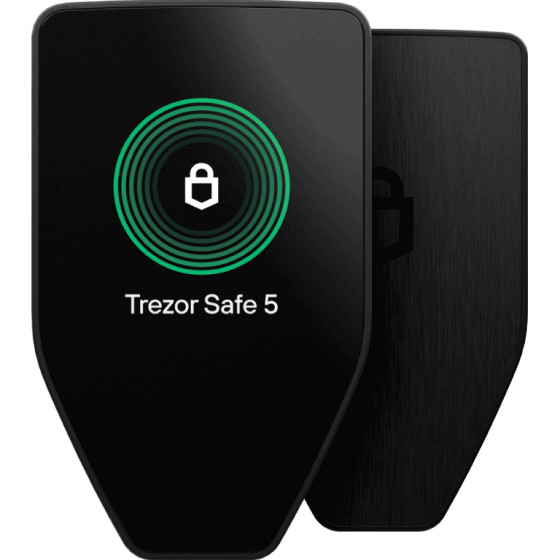
🔒 Keep your crypto safe — secure it with a Trezor hardware wallet.
💡 Already mining Grass? If not, join here.
**Focus keyword decided before writing: “Grass staking rewards”**
If you haven’t looked closely at Grass staking rewards lately, now is the time to pay attention. I’ve had the Grass node running quietly in the background for months, accumulating points and staking tokens while most of crypto was distracted elsewhere — and the project just dropped a series of updates that make the long-term case stronger than ever.
Grass is a decentralized data layer protocol that enables users to contribute their unused internet bandwidth to power AI model training and data scraping.
That’s the pitch — but what keeps me running the node day after day isn’t the pitch, it’s the execution.
While many infrastructure tokens in the $100–200 million range show declining network activity, Grass’s decentralized bandwidth-sharing network has been steadily expanding its node operator base throughout 2026.
On the points side, the system has matured considerably.
Grass Points now break down into two types: Uptime Points and Network Points, which give a clearer picture of both the availability and usage of the bandwidth you contribute.
Uptime Points reward you simply for staying connected, while
Network Points are earned when your bandwidth is actively used by the Grass Network to power web data requests.
It’s a performance-and-commitment model that actually makes sense — idle machines earn something, but active, high-quality nodes earn more.
Ready to start earning?
The biggest news of the summer came in early July.
On July 7, 2026, the Grass Foundation hosted its Token Holder and Network Participant Call, and the most important announcement centered around Stage 2 rewards — eligible users could claim starting July 22, 2026, with payouts in USDC instead of GRASS tokens.
That Stage 2 claim window covers bandwidth contributed between October 2024 and June 2026, and users have until January 22, 2027 to claim before unclaimed funds are forfeited.
Real USDC hitting wallets is a very different conversation from speculative token promises.
On the Grass staking rewards front, a governance vote passed on July 7, 2026 made things even more interesting.
GRASS token utility includes powering transactions, staking for network security, and governance — and a governance vote passed to distribute a share of the network’s USDC revenue directly to GRASS stakers.
The network reported $33 million in annualized revenue from selling bandwidth and AI training data.
That’s real revenue flowing back to participants, not inflationary token emissions.
There is no minimum staking period, and rewards are accrued and distributed every second — though if you choose to unstake, your tokens enter a 7-day unbonding period before becoming available for withdrawal.
For a long-term holder, that’s a very reasonable structure.
Price-wise, GRASS is still well off its all-time high.
The current price sits around $0.36, having dropped from an all-time high of $3.89 reached in November 2024.
The honest take? The token is discounted, the network is growing, and
a major Season 2 airdrop of approximately 170 million GRASS tokens is expected in the second half of 2026, and separately, Coinbase Markets announced Grass to its public asset listing roadmap, with trading anticipated in the week of August 24, 2026.
There are real risks here — specifically,
a major investor token unlock of roughly 25% of supply concluding in late October 2026
could introduce selling pressure. Eyes open. But for anyone willing to run a node, accumulate Grass staking rewards patiently, and think in months rather than days, the setup right now is genuinely compelling.
Mining Grass? If you’re not staking yet, get started with our referral link:
🔒 Keep your crypto safe — secure it with a Trezor hardware wallet.